
Our Land Acknowledgement shows recognition of and respect for Indigenous peoples from the past and the present. We acknowledge that the property of Richland Academy is situated upon traditional territories of the Anishinabek, the Haudenosaunee Confederacy, Mississaugas of the Credit, Mississauga and the Wendat peoples.
Recognizing this land is an expression of gratitude and appreciation to those whose territory you reside on, and a way of honouring the Indigenous people who have been living and working on the land from time immemorial.

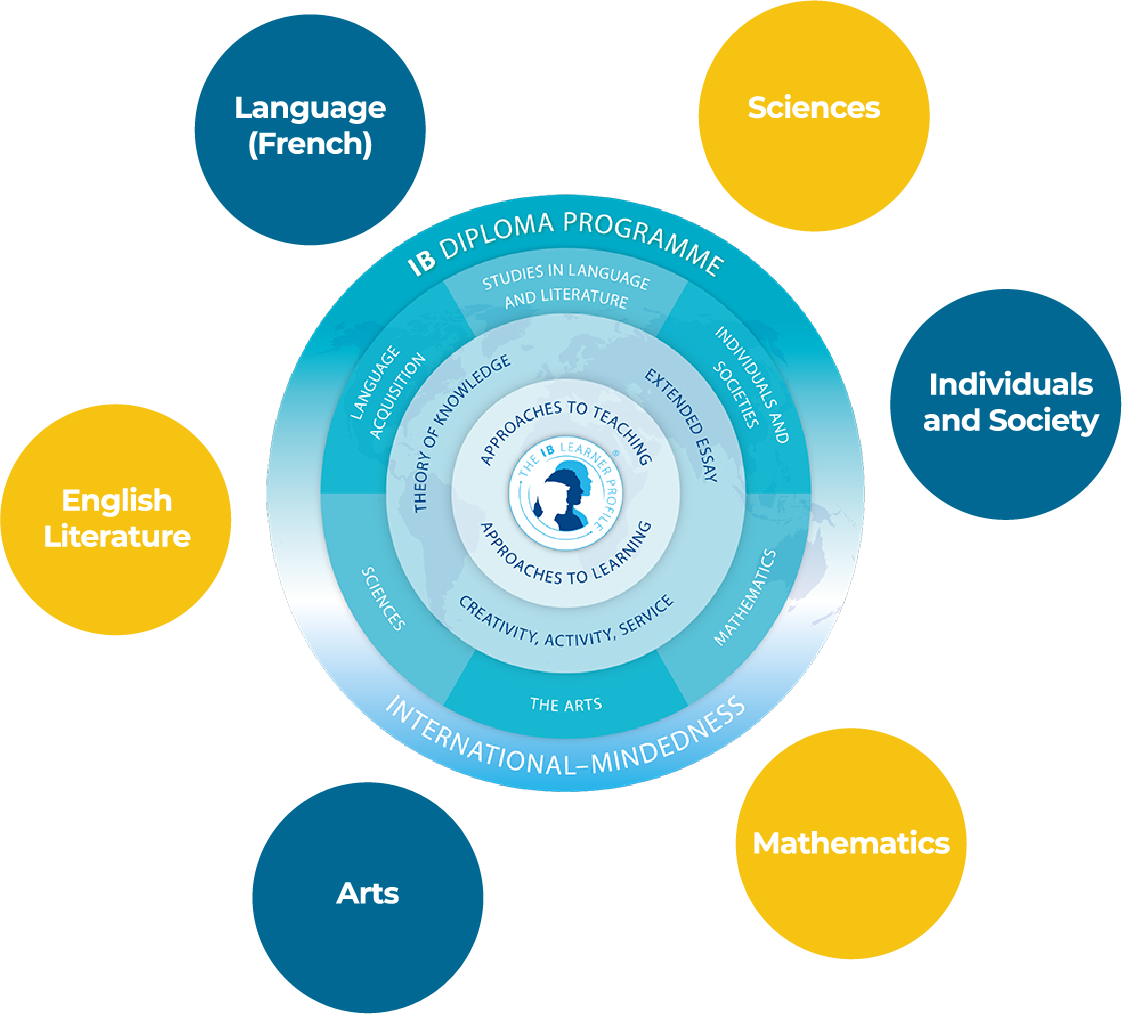
The DP is for students aged 16-19. It aims to develop students who have excellent breadth of knowledge, providing pathways to further/higher education and employment.
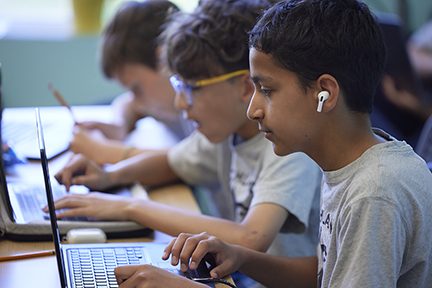
Students follow one integrated program where IB courses count toward Ontario credits—so they graduate with both the IB Diploma and the OSSD, not by doing double the work, but by meeting both sets of requirements simultaneously.
Starting in Grade 11, students have the option to only pursue the OSSD as a focused pathway. This decision will be made collaboratively, involving the student, their parents, and the school’s guidance counsellors to ensure it aligns with the student’s goals, strengths, and post-secondary plans. This flexible approach allows students to tailor their learning experience in a way that best supports their future success.
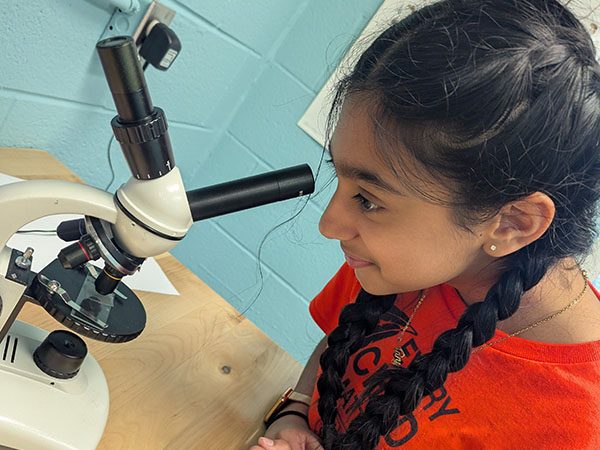
The Diploma Programme (DP) offers a broad and balanced educational experience. It prepares students for success at university, in further education, and in their chosen careers by developing strong academic skills, values, and life skills that support a purposeful and fulfilling life. Central to the DP is the development of self-confident, capable learners who can manage complexity, think critically, and respond to change.
The programme emphasizes both breadth and depth of learning, intercultural understanding, and the development of inquiry, research, critical thinking, and reflective skills, alongside meaningful community involvement and service. Learning is supported through rigorous assessment practices, including both formative and summative evaluation using a blend of internal and external assessment.
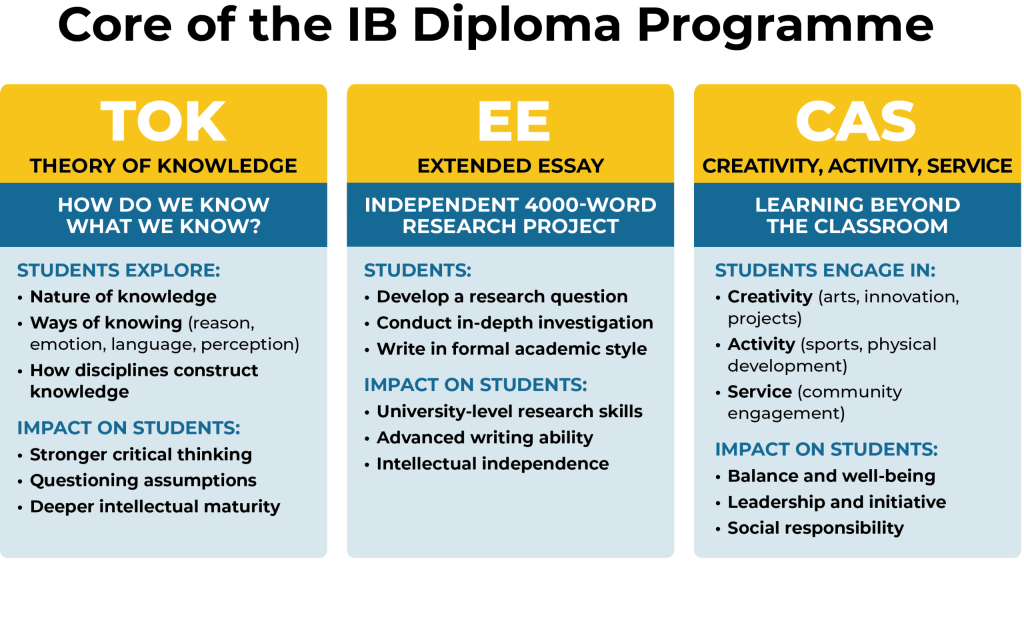

The DP uses a combination of internal and external assessments.
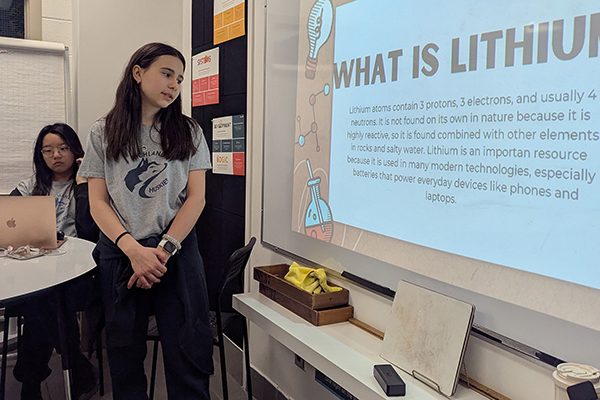
Internal assessments include coursework, projects, and presentations completed during the program, while external examinations are taken at the end and are graded internationally.
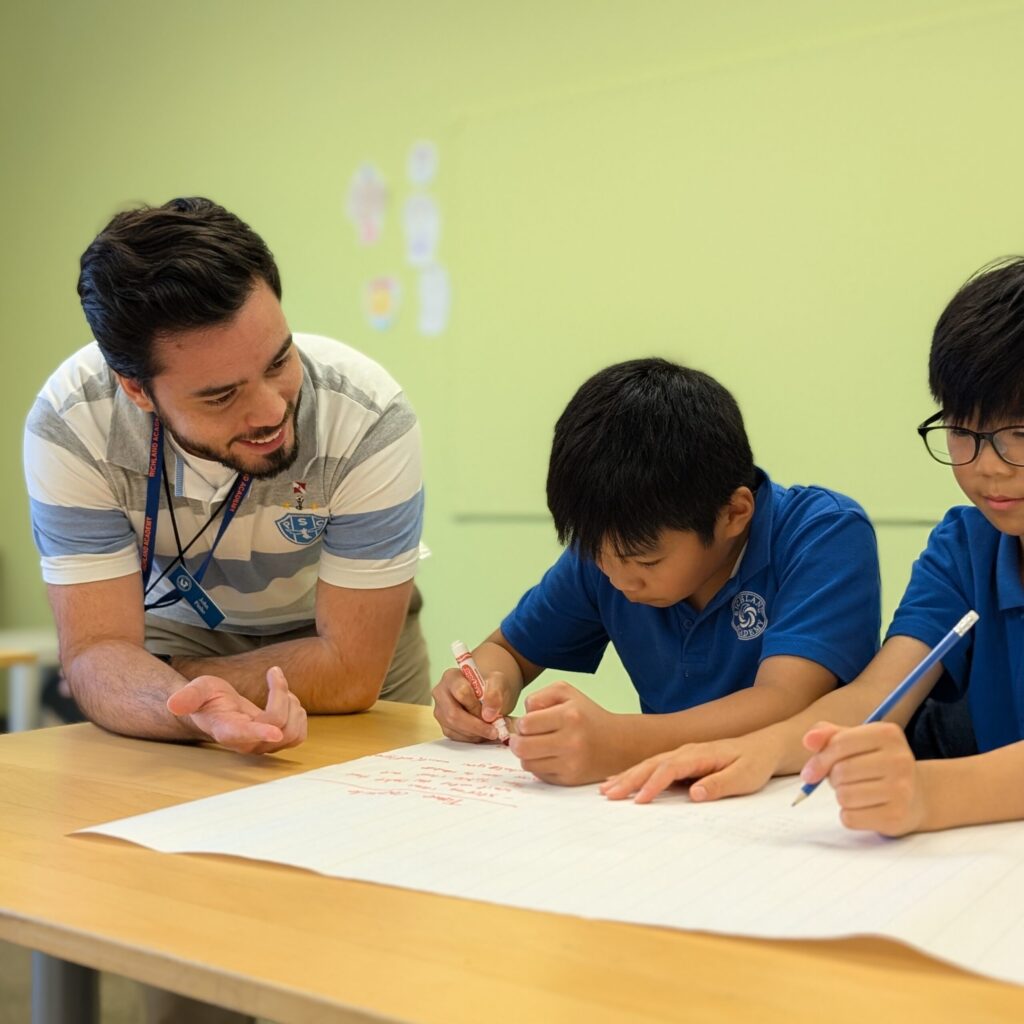
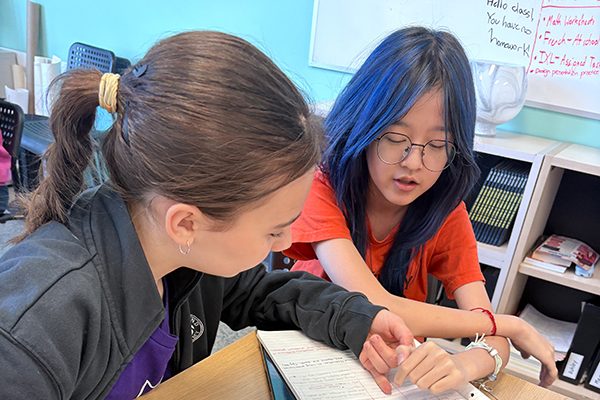
The DP is widely regarded as one of the best preparations for higher education.
Students graduate with:
Inquiry based learning, interdisciplinary learning, PYPx, community project, personal project, the Approaches to Learning are all thoughtfully embedded throughout the IB program (PYP – DP) to ensure students graduate with the above skills and confidence.
It’s harder to achieve high grades in the IB Diploma Programme (DP).
There is no doubt that the IB DP courses cover more material and have an international focus. Harder? Depends on the student. Quality teachers help make the difference for students.
Students in IB end up with lower marks compared to those in regular courses
Each student is unique and will have challenges with specific courses. The work and effort put in by students, along with the support of teachers will result in successful final grades.
It’s also important to understand that grading systems are different. Ontario courses use percentage grades, while IB courses are graded on a 1–7 scale, which reflects performance against international standards rather than a direct percentage comparison.
The IB Diploma Programme is very stressful for students.
All challenges can be stressful. It’s the support along the way that makes the difference.
Our dedicated staff, guidance counsellors, and IB Coordinator are here to support students every step of the way.
Students have less time for extracurriculars in the IB Diploma Programme.
IB students develop strong time management skills as they learn to balance academic responsibilities with other commitments. The CAS program also encourages students to stay engaged in volunteering, athletics, and the arts as part of a well-rounded experience.
With structure, planning, and support, students are able to participate in activities outside the classroom while managing their studies effectively.
The IB Diploma Programme is not worth it as post-secondary preparation.
The IB Diploma is widely accepted by Canadian and international universities, often with opportunities for advanced standing or transfer credits.
Beyond recognition, the program builds the skills and attitudes students need to succeed—strong research and writing abilities, critical thinking, and independent learning. It’s not only valuable for university preparation, but for developing habits that support learning for life.
The IB Diploma Programme is very competitive within classes.
Students who are naturally competitive will bring that mindset to any program. In IB, however, smaller class sizes and a shared sense of purpose help create a supportive, close-knit learning environment.
Students often see themselves as part of a team, working together, supporting one another, and growing alongside their peers.
The IB Diploma Programme doesn’t accommodate documented learning disabilities.
The IB Access and Inclusion Policy (September 2022) outlines how students can receive the accommodations they need to support their learning. It also sets out the procedures schools must follow to request and approve these arrangements.
With appropriate documentation and support from the school, students may access accommodations that help them learn and demonstrate their understanding effectively.